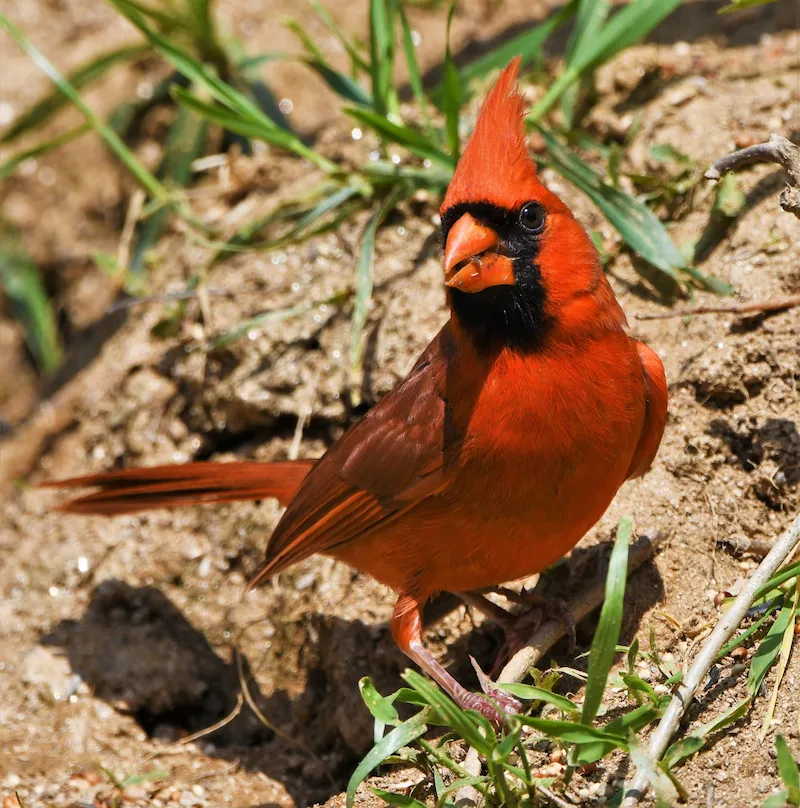
Northern Cardinal
Cardinalis cardinalis
Region guide · US Northeast
Who visits feeders in New England and the Mid-Atlantic — Connecticut, Maine, Massachusetts, New Hampshire, New York, New Jersey, Pennsylvania, Rhode Island, and Vermont — how to recognize each bird, and what to put out for them.
By the My Window Birds editors · Updated October 8, 2026 · Sources
Get Backyard Birds of the Northeast — a free printable PDF with all 15 birds, what to feed each one, a seed cheat sheet, a month-by-month feeder calendar, and a spotting checklist.
Download the Free GuideThese are the fifteen birds you're most likely to meet at a feeder across the Northeast — from Maine and Vermont down through New York and Pennsylvania. For each one you'll find how to tell it apart, the food it favors, and the feeder that suits it best. Get a few of these right and your window becomes a front-row seat.
The short answer: the most common backyard feeder birds of the Northeast are the Northern Cardinal, Blue Jay, Black-capped Chickadee, Tufted Titmouse, White-breasted Nuthatch, Downy and Red-bellied Woodpeckers, Carolina Wren, American Goldfinch, House Finch, Dark-eyed Junco, White-throated and Song Sparrows, Mourning Dove, and American Robin.
Cardinalis cardinalis
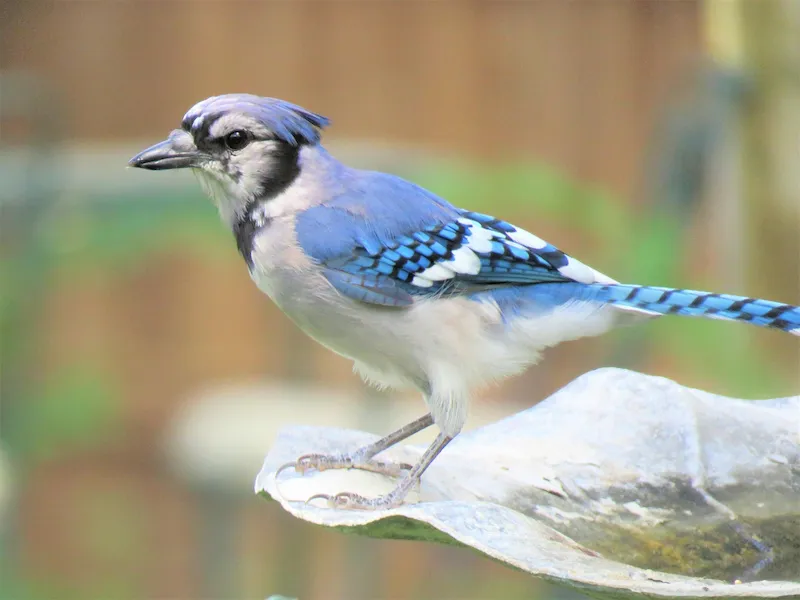
Cyanocitta cristata
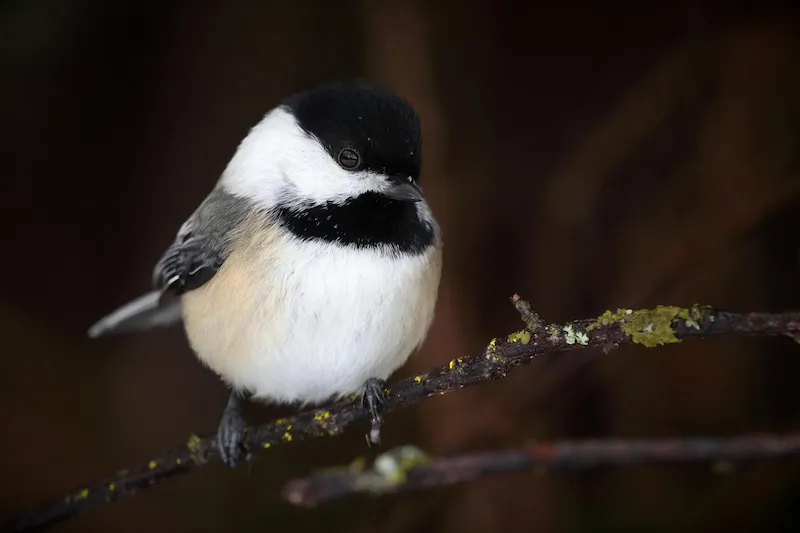
Poecile atricapillus
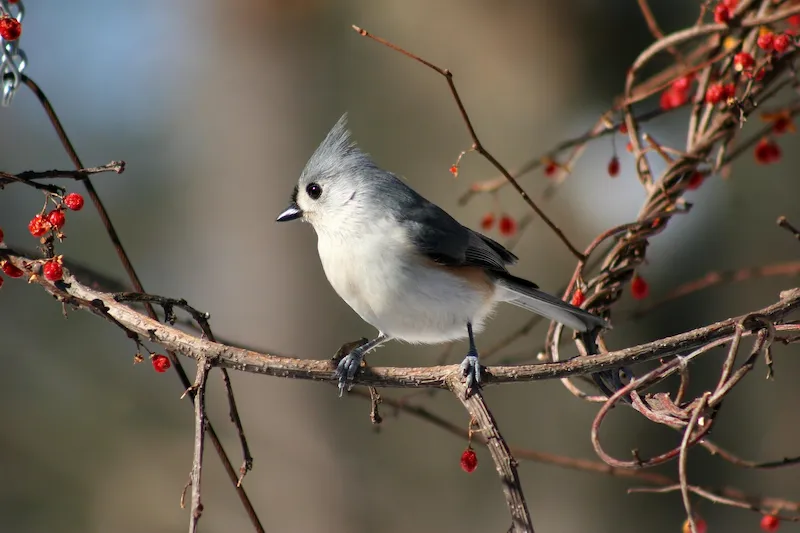
Baeolophus bicolor
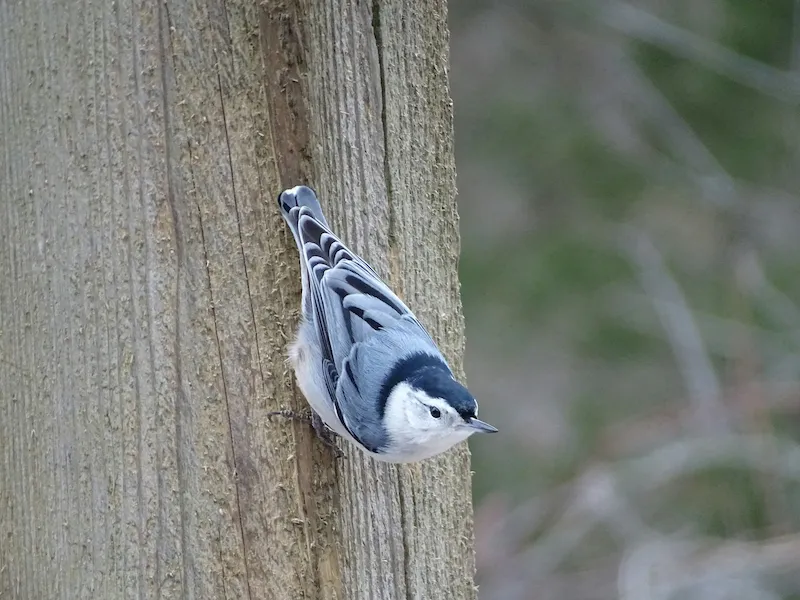
Sitta carolinensis
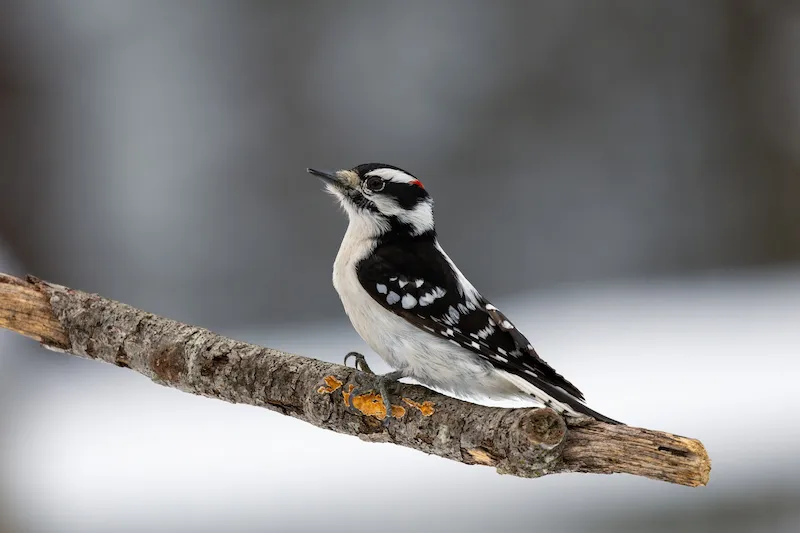
Dryobates pubescens
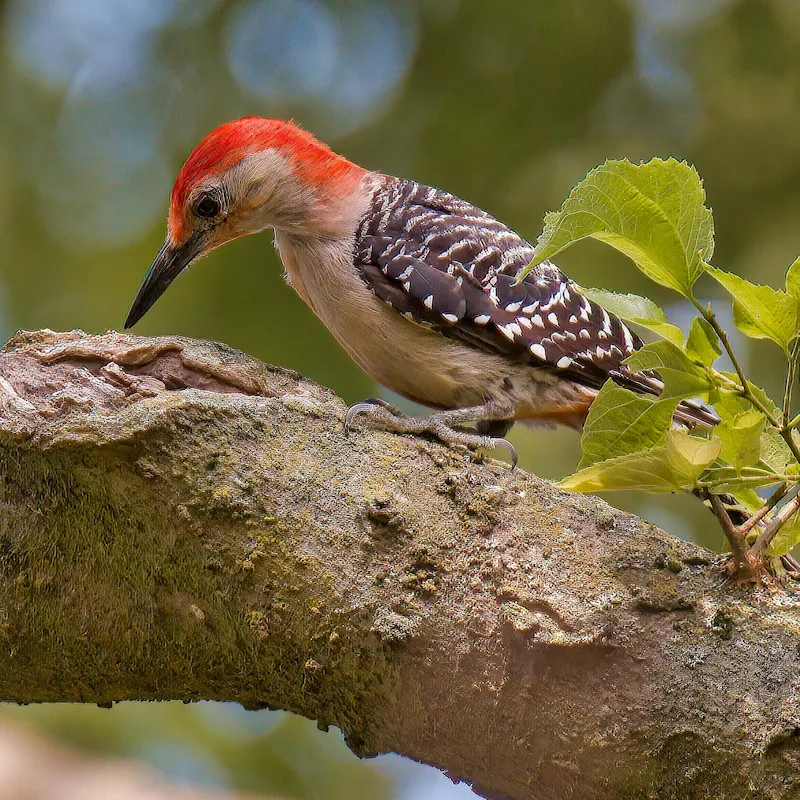
Melanerpes carolinus
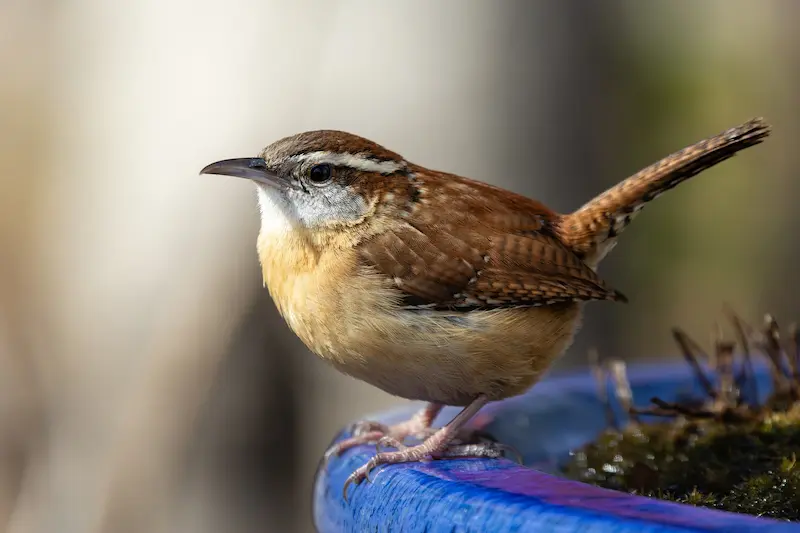
Thryothorus ludovicianus
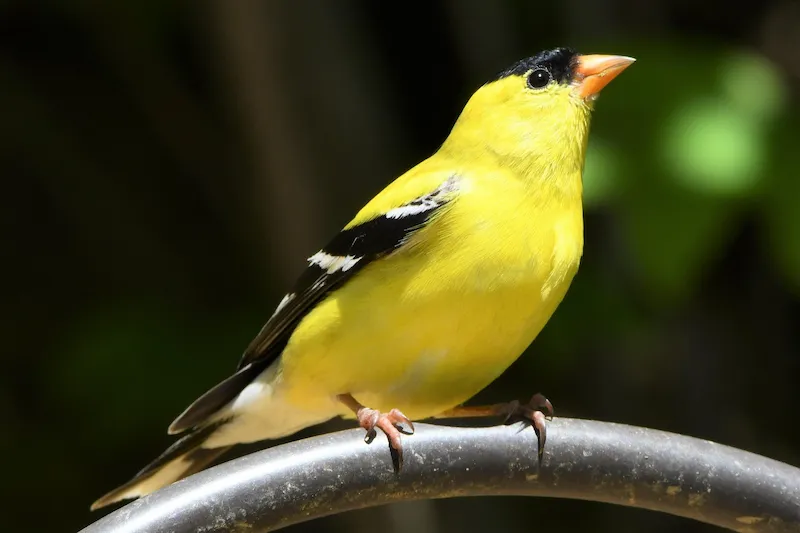
Spinus tristis
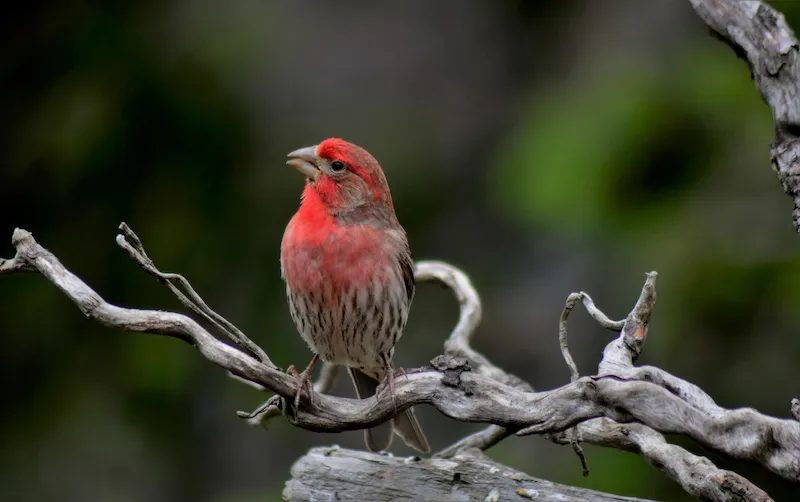
Haemorhous mexicanus
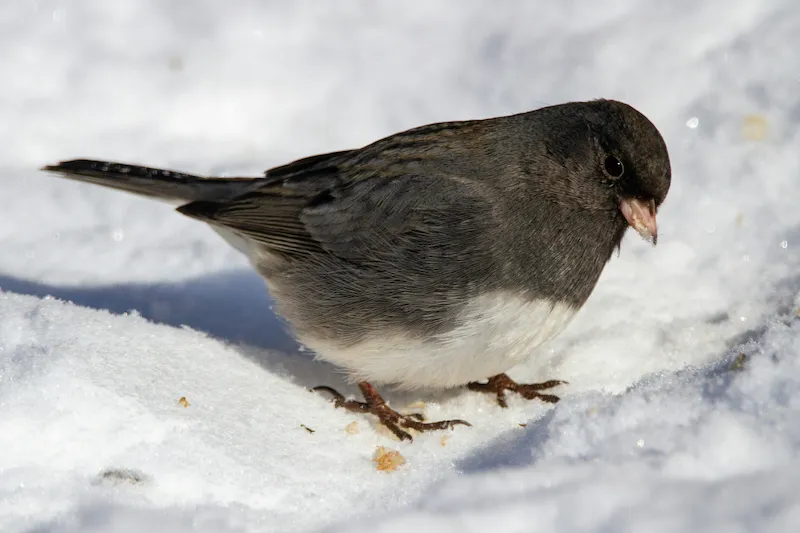
Junco hyemalis
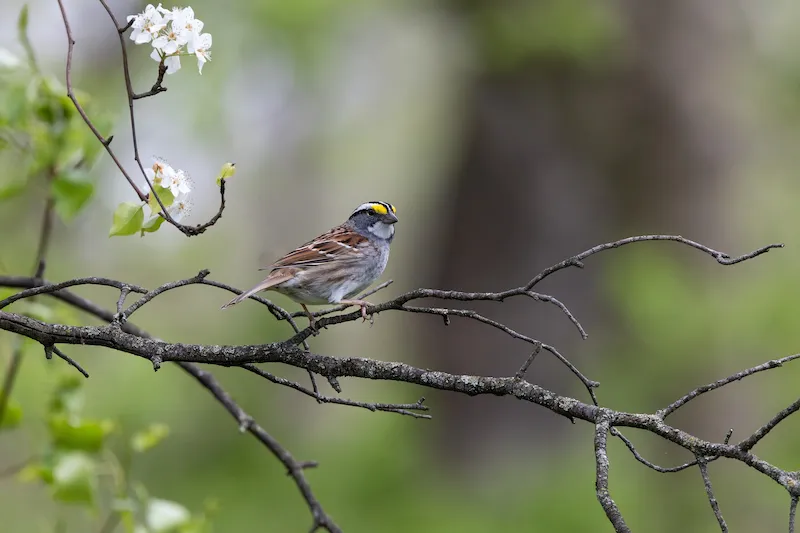
Zonotrichia albicollis
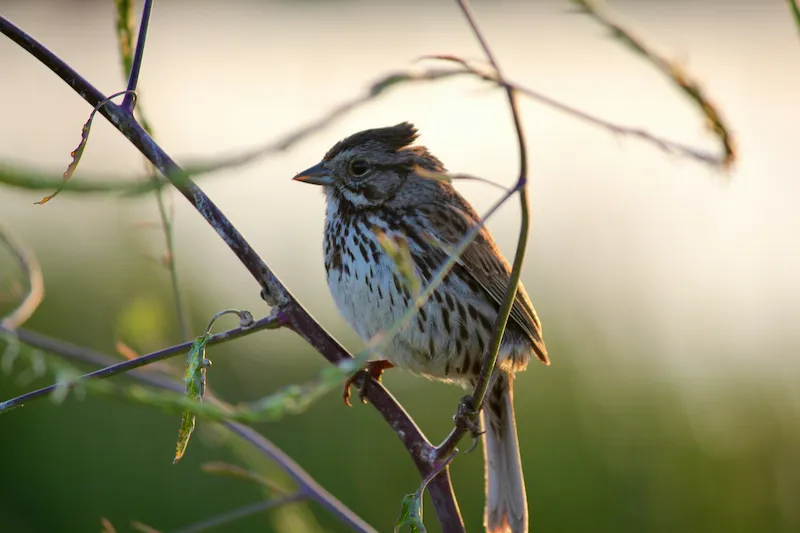
Melospiza melodia
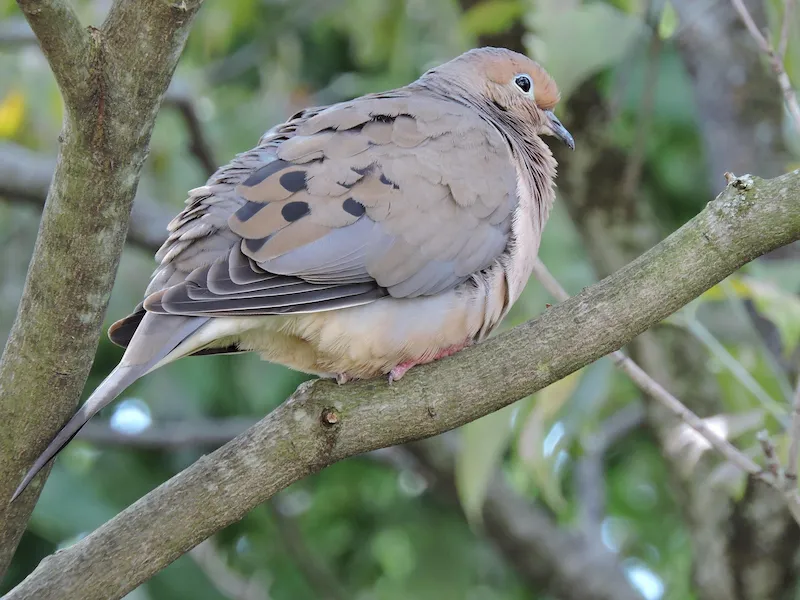
Zenaida macroura
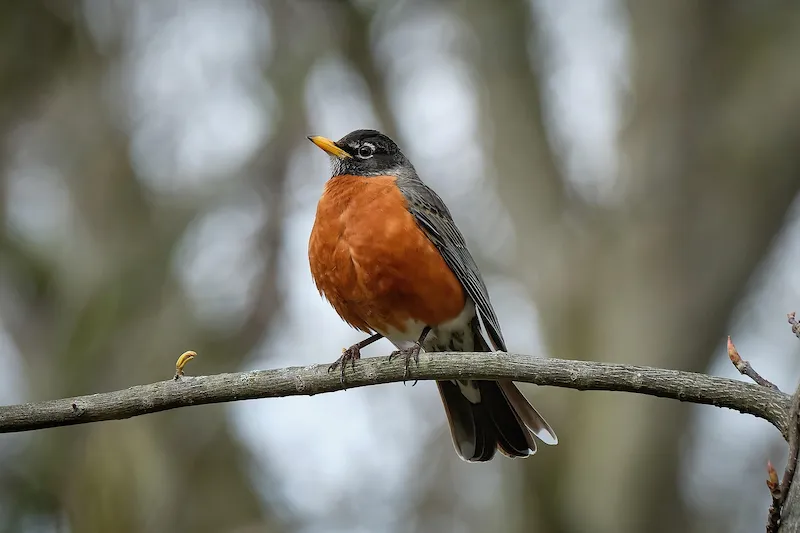
Turdus migratorius
The busy season. Natural food is scarce, so feeders get steady traffic: chickadees, titmice, nuthatches, cardinals, woodpeckers, and juncos. Keep suet out for the woodpeckers, and refill after every snowfall — birds need the calories most right after a storm. Our guide to what to feed birds in winter covers the full cold-weather menu.
Migration turns the yard over. Ruby-throated Hummingbirds return in late April and early May — have a nectar feeder out by the last week of April (plain 1:4 sugar water, no red dye). Baltimore Orioles arrive in early May and will visit orange halves and grape jelly. Goldfinches molt into their bright summer yellow.
Seed feeders often go quiet — insects and wild seed are everywhere — but this is fledgling season: watch for clumsy young cardinals and jays being fed by their parents. A clean birdbath draws more birds in summer than any feeder. Goldfinches nest late, so keep the nyjer fresh into August.
Hummingbirds head south by late September — leave the nectar feeder up for about two weeks after you see the last one. Juncos and White-throated Sparrows return with the first cold nights of October. It's the perfect time to scrub your feeders and stock up on seed for the season ahead.
Any time — there's no wrong month to hang a feeder. Traffic is heaviest from November through March, when natural food is scarce, so fall is the classic time to start. Birds may need a week or two to discover a new feeder; that's normal.
Outside bear country, no — feeding is fine year-round. But black bears now live across most of the region, from northern New Jersey and Connecticut up through Maine. Wildlife agencies there ask you to take feeders down by April 1 (by mid-March in southern New England, or sooner if bears are already out) and wait until about December 1 to put them back.
Ruby-throated Hummingbirds — the only hummingbird that nests in the Northeast — return from late April to mid-May. Have a nectar feeder out by the last week of April: four parts water to one part plain white sugar, no dye.
It's almost always temporary. The usual causes: a big natural food crop nearby, a hawk hunting the yard for a few days, or seed that has gone stale or moldy. Refresh the seed, clean the feeder, and give it a week or two. For a full step-by-step checklist, see Why Aren't Birds Coming to My Feeder?
Black-oil sunflower. It has a thin shell small birds can open easily and a high oil content, and it's the favorite of cardinals, chickadees, titmice, nuthatches, and finches alike. If you buy only one bag, buy that.
The free Backyard Birds of the Northeast PDF puts all 15 birds, their favorite foods, a seed cheat sheet, a month-by-month feeder calendar, and a spotting checklist on eight printable pages.
Download the Free GuideKeep reading: see exactly which food brings in which birds, learn how to make your yard a cardinal favorite, win the age-old war with squirrel-proof feeding, or try hand-feeding a chickadee.